
Does the idea of working at a desk just make your heart sink? Would you be much happier working outside? Well, here are fifteen potential careers that come with the added benefits of sunshine and fresh air.
I searched for outdoor careers that pay relatively well, have good job availability and long-term outlook, modest training requirements, and experience low injury rates relative to some other outdoor jobs.
There are two unusual perks associated with this selection of careers. First, many are employed to a high degree by governments — and that means generous benefits, sometimes even including housing or use of a car. Second, there is increasing evidence that being outside, walking, and avoiding sitting at a desk for long periods of time is highly beneficial to long-term health. If your gut is telling you to work outside, it may be on to something.
Note: About a third of these jobs do not require a college degree, but most do. Part of my criteria here was good pay, and for that you generally need either some training or at least some specialized experience.
So here are 15 recommended outdoor jobs — ranked by overall opportunity in terms of pay, openings and expected growth, advancement opportunities, and degree of required training relative to payoff.
1. Construction Manager

Construction managers organize construction jobs from plan to finish: budget, schedule, subcontractors, safety, and daily site walks. This is one of the best-paid outdoor-adjacent careers on the list, and people reach it from more than one direction.
Degree: A bachelor’s degree is the common path, but it is not always required. Construction management, civil engineering, or architecture are the most direct majors. A related trade background can substitute for a degree if supervision experience is added.
Realistic deal: Job availability is good. Outlook is about 9% growth with tens of thousands of openings a year. Median pay is about $114,990, plus bonuses.
Pluses: High pay, visible results, and a real ladder to senior roles.
Minuses: Long hours and weather.
Learn more | Current jobs available | Internships available
2. Civil Engineer

Civil engineers design and oversee roads, water systems, bridges, and sites. The week usually splits between office design and construction-site time.
Degree: A bachelor’s in civil engineering from an ABET-accredited program is the standard. The major does matter. A PE license is needed for public-facing work and is a major career boost.
Realistic deal: Large, healthy job market: about 381,000 jobs, 6% growth, and roughly 23,000 openings a year. Internships during college are common and often lead to offers. Median pay is about $100,840. About a quarter of these jobs are associated with government, and so may include generous benefits.
Pluses: High pay and many openings.
Minuses: Licensing takes time after graduation.
Learn more | Current jobs available | Internships available
3. Environmental Engineer
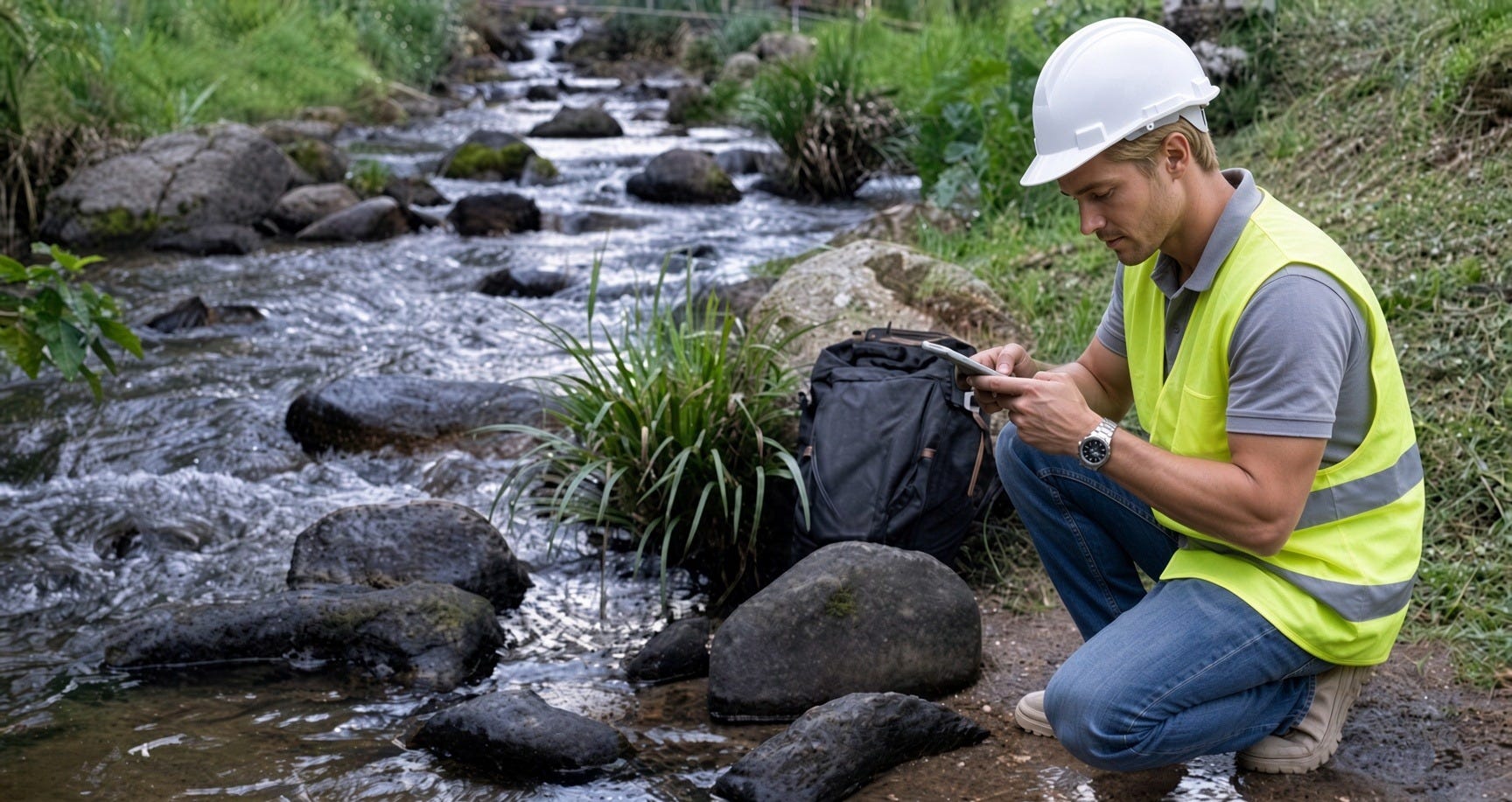
Environmental engineers design the systems that treat water, manage waste, clean sites, and cut pollution. The work is technical, well paid, and still includes field visits.
Degree: A bachelor’s in environmental engineering or a closely related engineering field (civil, chemical) is expected. The major does matter; a non-engineering environmental science degree usually leads to the scientist track instead.
Realistic deal: Smaller than civil engineering, but pay is excellent. Median is about $107,110. Consulting firms and agencies both hire. Internships make the first job much easier. About a third of these jobs are associated with government, and so may include generous benefits.
Pluses: Top-tier pay and applied problem-solving.
Minuses: Fewer total openings than civil engineering.
Learn more | Current jobs available | Internships available
4. Environmental Scientist / Specialist
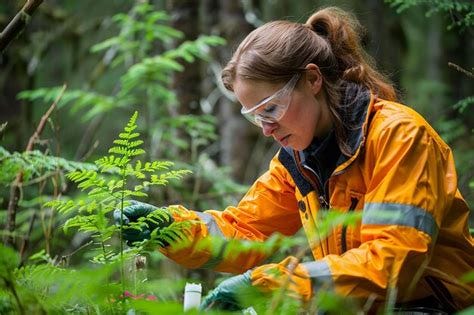
Environmental scientists sample air, water, and soil, assess sites, and help companies and governments stay within environmental rules. Field days and office days both count.
Degree: Typically a bachelor’s degree is required. Environmental science, chemistry, geology, biology, or natural resources all work. The major matters, but several science majors are accepted. A master’s can raise pay; it is not required for most applied jobs.
Realistic deal: One of the stronger markets here: about 93,000 jobs, 6% growth, and roughly 7,300 openings a year. Median pay is about $82,220. About half of these jobs are associated with government, and so may include generous benefits.
Pluses: Solid demand and a mix of outdoors and analysis.
Minuses: Reporting requirements and occasional contaminated sites.
Learn more | Current jobs available | Internships available
5. Geoscientist
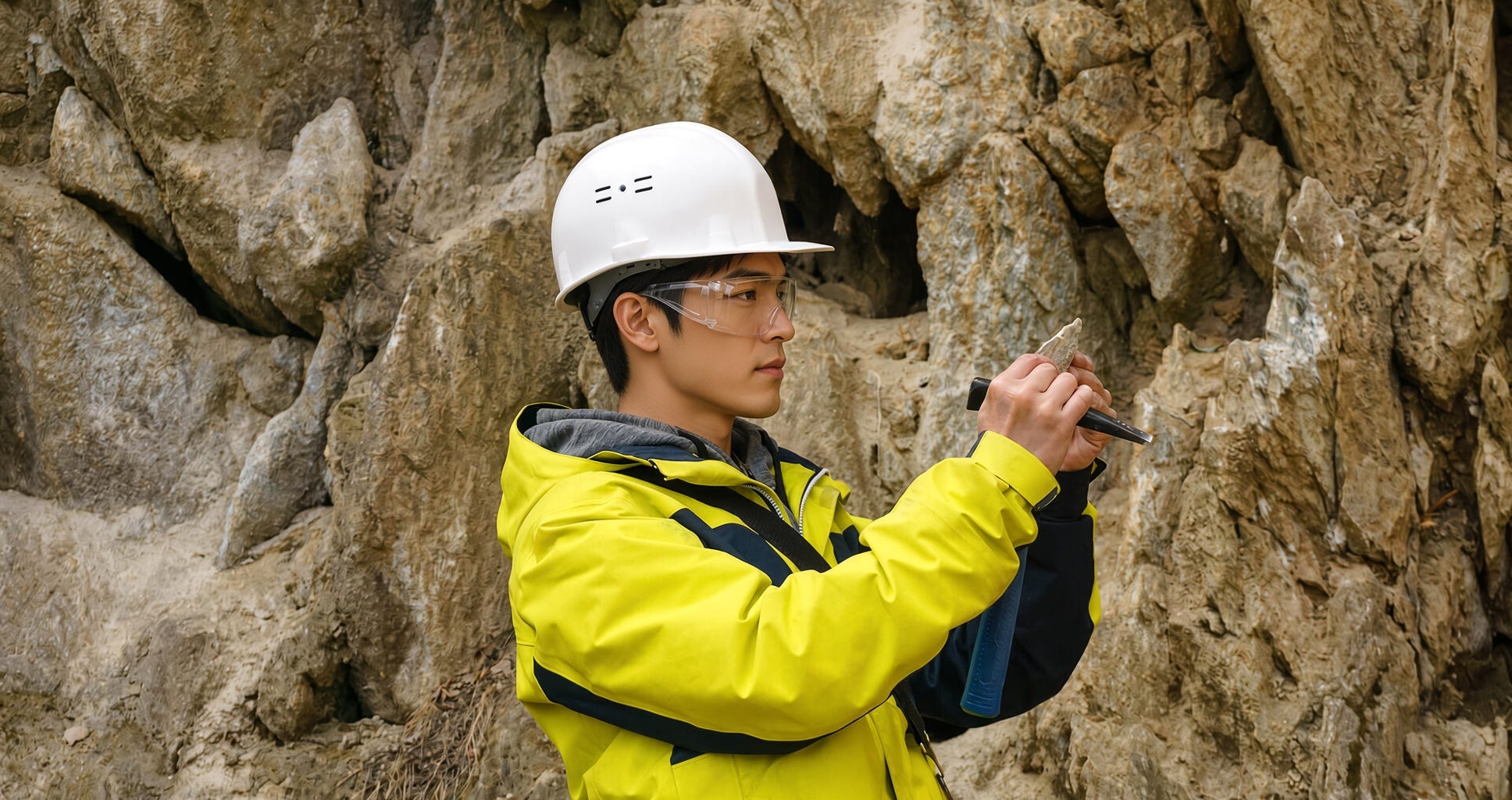
Geoscientists map rocks, soils, groundwater, and hazards, then turn field notes into reports that help companies and agencies make decisions. Much of the work is outdoors; the rest is analysis.
Degree: Typically a bachelor’s degree is required. Geology, geosciences, earth science, or hydrology fit best. The major does matter for licensing and federal jobs. A master’s helps for research or specialized consulting, but it is not required for many applied roles.
Realistic deal: The field is smaller—about 25,000 jobs and roughly 1,800 openings a year—so internships early on make a real difference. Median pay is about $101,920.
Pluses: High pay and interesting fieldwork.
Minuses: Travel or relocation can be part of the job.
Learn more | Current jobs available | Internships available
6. Construction and Building Inspector

Building inspectors walk sites and buildings and check them against codes. This is the strongest no-four-year-degree outdoor option on the list.
Degree: No bachelor’s required in most places. A high school diploma plus several years in a trade or construction is the usual path, then certification or a local license. An associate degree in building inspection or construction helps but is not required. The major only matters if the college route is chosen.
Realistic deal: Employment growth is flat, but about 14,800 replacement openings a year keep the door open. Median pay is about $74,690. More than a third of these jobs are associated with government, and so may include generous benefits.
Pluses: Good pay without a four-year degree.
Minuses: Trade experience is usually needed first.
Learn more | Current jobs available | Internships available
7. Surveyor

Surveyors measure land, set boundaries, and produce the maps builders and agencies rely on. GPS, drones, and traditional instruments all show up in a normal week.
Degree: A bachelor’s in surveying, geomatics, or civil engineering is the standard route to licensure. The major does matter for becoming a licensed surveyor. Some states still allow a mix of associate-level study plus experience — state boards set the rule on requirements.
Realistic deal: About 6% growth and roughly 3,100 openings a year. Median pay is about $75,440.
Pluses: Licensed profession, outdoor skilled work, and steady demand.
Minuses: Exams and some roadside days.
Learn more | Current jobs available | Internships available
8. Soil and Plant Scientist

Soil and plant scientists study soils and plants, sample fields, and advise farmers, agencies, and conservation districts on how land should be used and restored.
Degree: Typically a bachelor’s degree is required. Soil science, agronomy, plant science, crop science, or a closely related agricultural/environmental major is expected. The major does matter for NRCS and research roles. A master’s helps for specialized science jobs.
Realistic deal: The broader agricultural-scientist group is growing about 6%, with a median near $81,970. USDA/NRCS Pathways internships are one of the cleanest pipelines into permanent work, with federal benefits attached.
Pluses: Practical outdoor science and a clear federal path.
Minuses: Less famous than wildlife biology, with lab and report time mixed in.
Learn more | Current jobs available | Internships available
9. Cartographer / Photogrammetrist
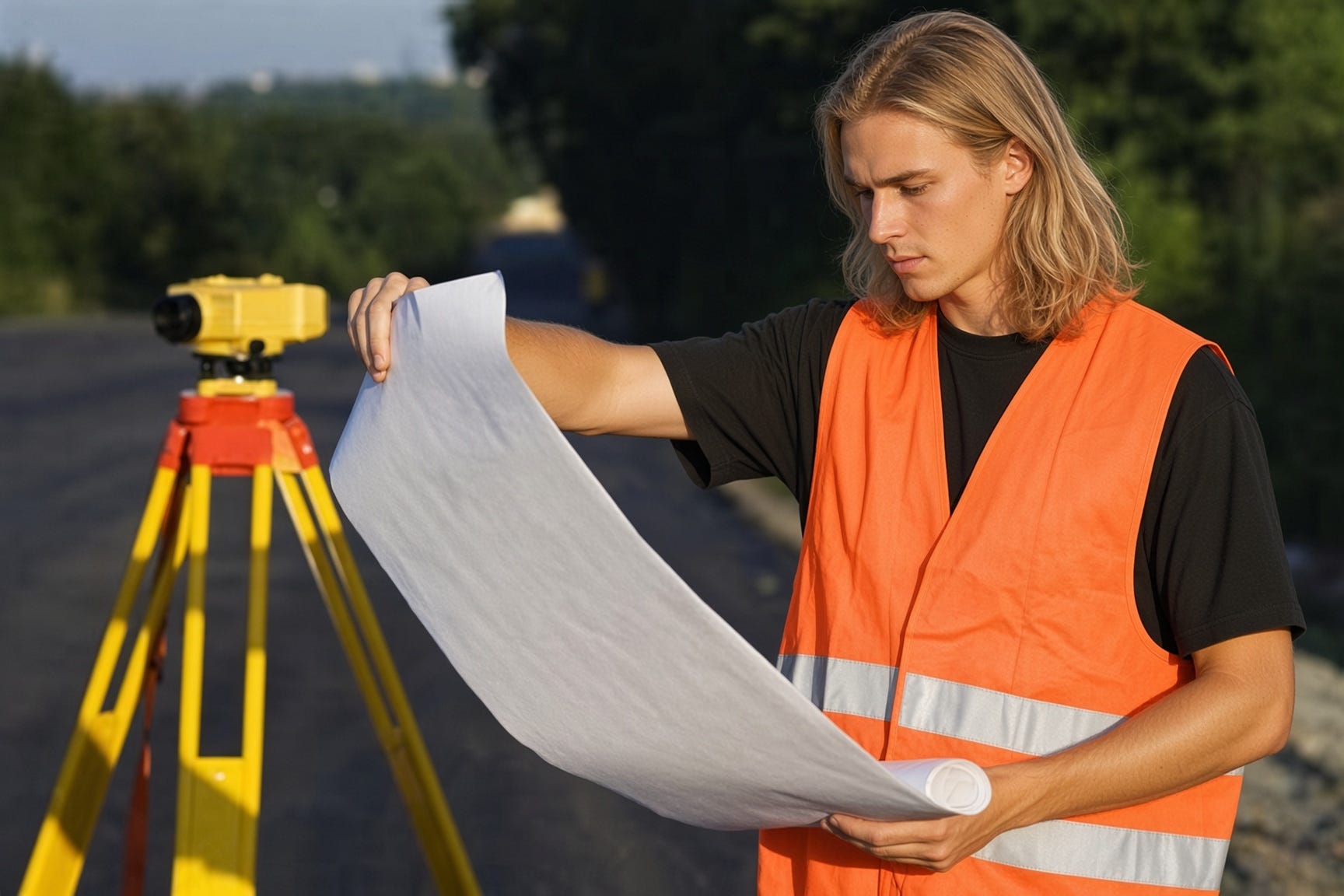
Cartographers turn surveys, drones, and satellite images into maps. Some weeks are in the field; many are in GIS.
Degree: Typically a bachelor’s degree is required. Geography, geomatics, cartography, surveying, or GIS are the majors employers want. The major does matter, though a related quantitative or geography-adjacent degree can work with strong GIS skills.
Realistic deal: Small occupation, so internships count. Median pay is about $81,390. About half of these jobs are associated with government, and so may include generous benefits.
Pluses: Mix of terrain and skilled computer work.
Minuses: More screen time than a ranger job.
Learn more | Current jobs available | Internships available
10. Landscape Architect

Landscape architects design parks, campuses, streets, and stormwater landscapes that people actually use. Site visits keep the work tied to the ground.
Degree: An accredited landscape architecture degree (BLA or MLA) is required. The major does matter—this is a licensed design profession, and a generic environmental-studies degree will not substitute for licensure.
Realistic deal: Smaller field: about 23,500 jobs and roughly 1,700 openings a year. Internships during school make hiring much easier. Median pay is about $79,870.
Pluses: Creative outdoor design with professional status.
Minuses: Licensure takes years after graduation.
Learn more | Current jobs available | Internships available
11. Conservation Scientist / Forester

Conservation scientists and foresters manage forests, range, and public land: inventories, habitat or timber plans, water, fire, and visitor impacts. This is professional land stewardship, not production logging.
Degree: Typically a bachelor’s degree is required. Forestry, natural resources, range science, or environmental science are the majors agencies want. The major does matter for federal forester and conservation-scientist series. SAF-accredited forestry programs are especially useful.
Realistic deal: About 41,000 jobs and a few thousand openings a year. Permanent agency jobs are competitive, but internships and Pathways jobs are a proven way in. Median pay is about $73,920. Most of these jobs are associated with government, and so may include generous benefits.
Pluses: Meaningful outdoor work and public-service benefits.
Minuses: The work is often where the land is, which can mean moving.
Learn more | Current jobs available | Internships available
12. Wildlife Biologist / Zoologist
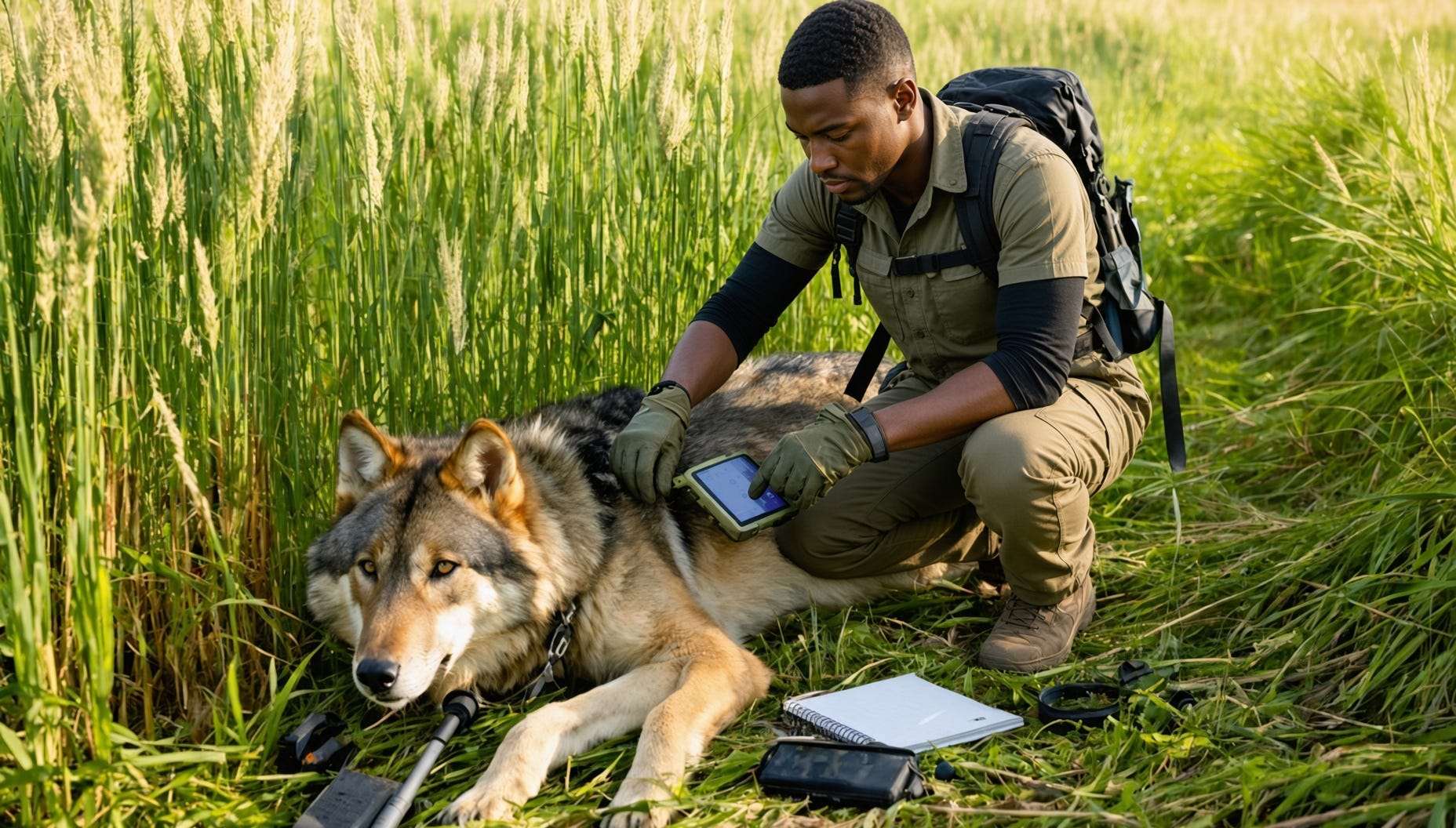
Wildlife biologists study animals and habitats, run surveys, and help set management plans. This is the professional version of a science career that stays close to wildlife.
Degree: Typically a bachelor’s degree is required. Wildlife biology, zoology, ecology, or biology are the majors that fit. The major does matter for federal biologist series. A master’s is often needed for research lead roles and helps a lot for permanent agency jobs, but some entry biologists start with a bachelor’s.
Realistic deal: About 19,500 jobs and a competitive market. Seasonal and internship experience is the usual way in. Median pay is about $76,780. About two-thirds of these jobs are associated with government, and so may include generous benefits.
Pluses: Field biology with a professional title.
Minuses: The first years often involve seasonal work.
Learn more | Current jobs available | Internships available
13. Outdoor Recreation Planner
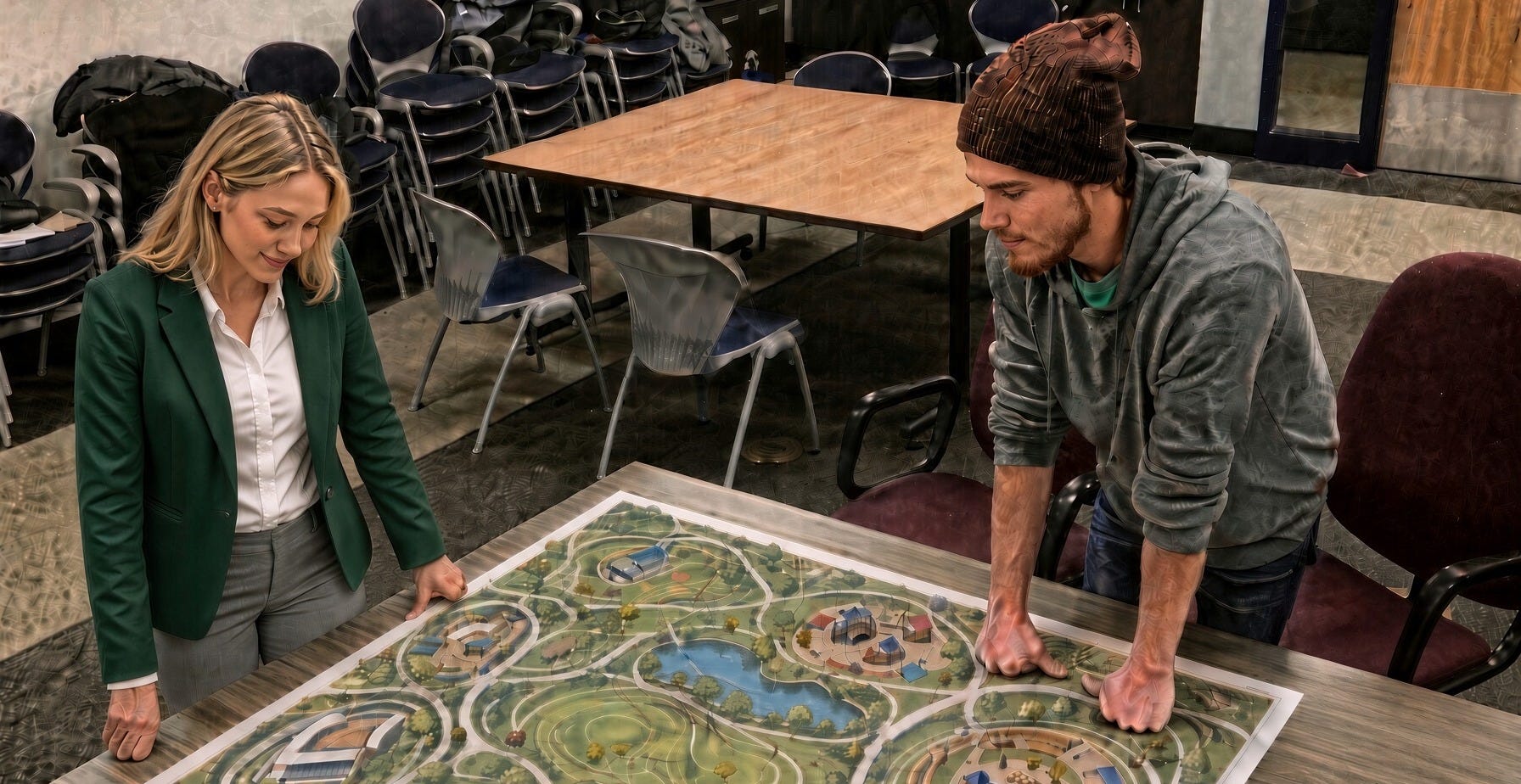
Outdoor recreation planners plan trails, campgrounds, visitor use, and access on public land. This is a park career that leans toward planning rather than enforcement or heavy labor.
Degree: Usually a bachelor’s is required for permanent jobs. Parks and recreation, outdoor recreation, natural resources, or a related field is preferred. The major is somewhat flexible—agencies often accept related degrees plus recreation experience. Seasonal or internship work can stand in for a perfect major early on.
Realistic deal: Permanent NPS/USFS/BLM jobs are limited and competitive. State agencies and less-famous units are more reachable. Pay often sits in the GS-7 to GS-11 range, about $50,000–$90,000+ with locality pay. Nearly all of these jobs are associated with government, and so may include generous benefits, occasionally even including in-park housing.
Pluses: Park mission without high-fatality field work.
Minuses: More planning than trail days.
Learn more | Current jobs available | Internships available
14. Visitor Services Park Ranger
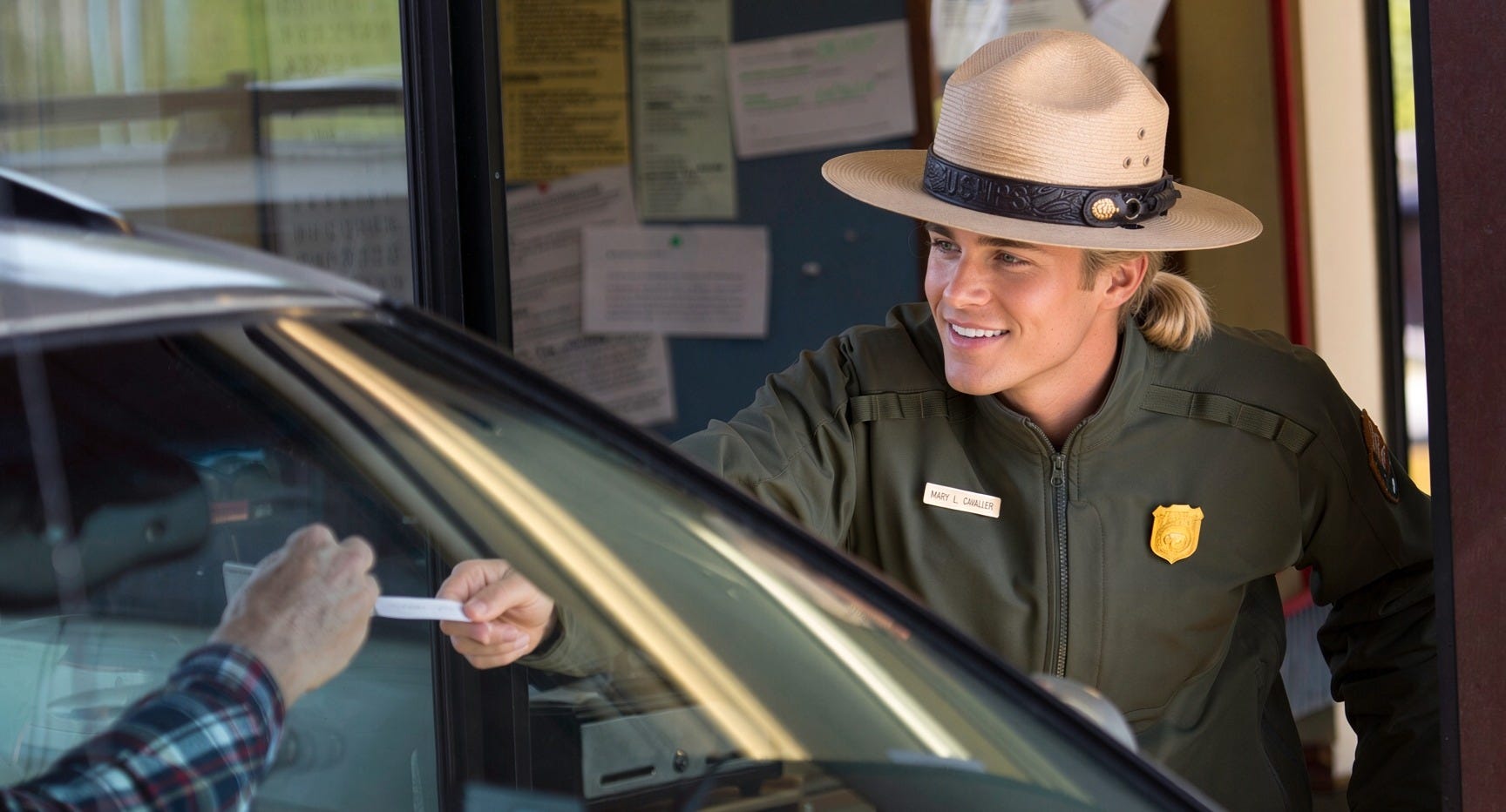
Park rangers welcome visitors, lead walks, staff the desk, and tell the park’s story. For many people this is the classic national-park job.
Degree: Not strictly required for seasonal work. A bachelor’s helps a lot for permanent jobs. Useful majors include parks and recreation, history, biology, environmental education, or communications. The major is flexible—related experience and public-speaking skill often matter as much as the exact title on the diploma.
Realistic deal: Seasonal hiring happens every year. Permanent jobs at famous parks are competitive, but lesser-known parks and state systems are more open. Seasonal pay is often $18–25 an hour; permanent pay commonly $40,000–$80,000. Nearly all of these jobs are associated with government, and so may include generous benefits — even the possibility of living in a national park.
Pluses: Beautiful workplaces and visitor contact.
Minuses: Seasonal instability at the start.
Learn more | Current jobs available | Internships available
15. Biological Science Technician
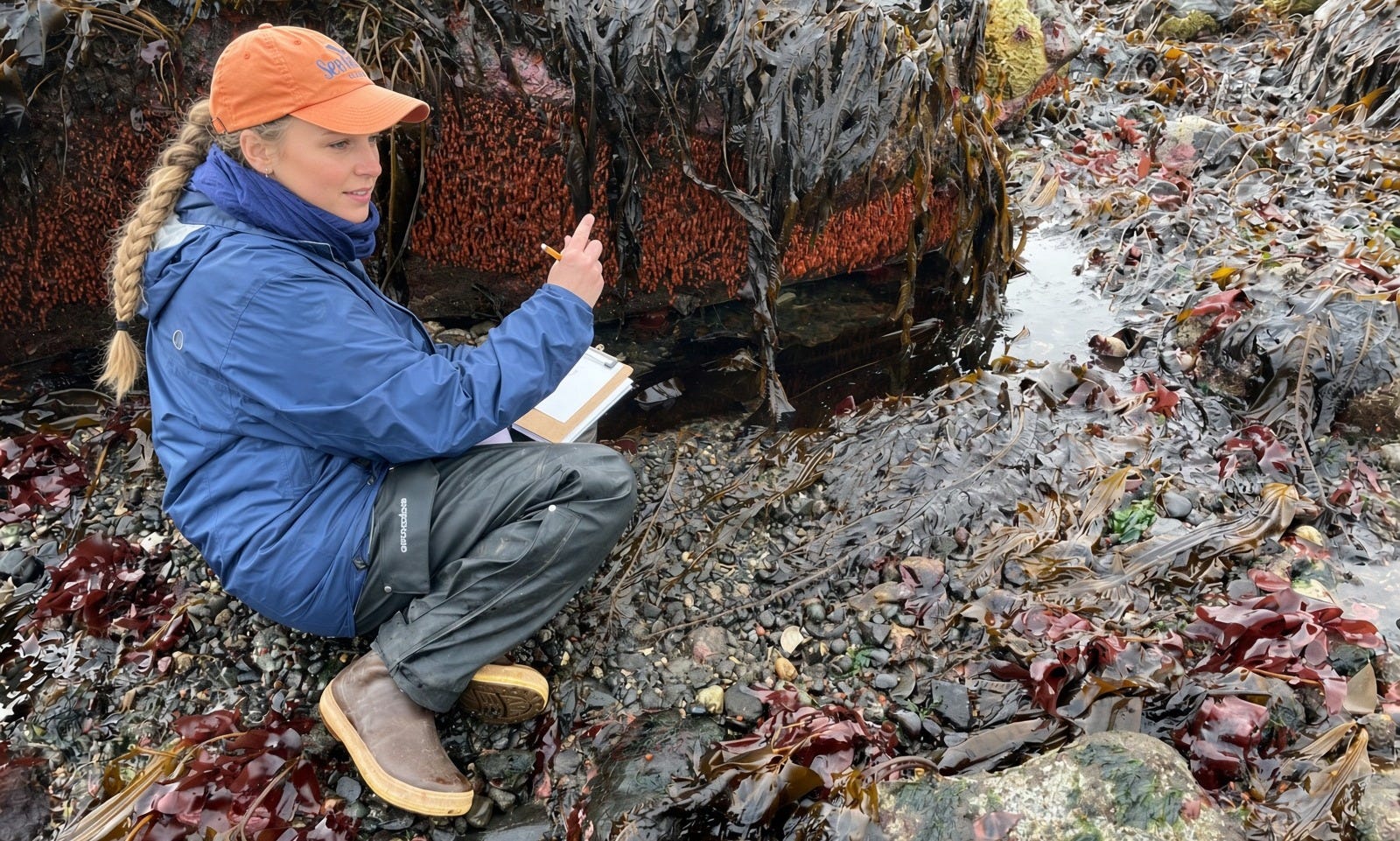
Biological science technicians collect the field data parks and refuges need: plants, wildlife, water, invasives, and monitoring plots. It is one of the most direct ways to get paid science work outdoors.
Degree: Not always. Some college or an associate degree can get a person seasonal work. A bachelor’s in biology, ecology, wildlife, botany, or natural resources does help and is often expected for better or permanent jobs. The major matters more as the career advances.
Realistic deal: Seasonal openings appear every spring. Permanent jobs are fewer, but technicians who stack seasons do get hired. Pay is often $35,000–$60,000 or GS hourly rates. About a quarter of these jobs are associated with government, and so may include generous benefits.
Pluses: Real fieldwork and a path into biology careers.
Minuses: Many first jobs are temporary.
Learn more | Current jobs available | Internships available
